

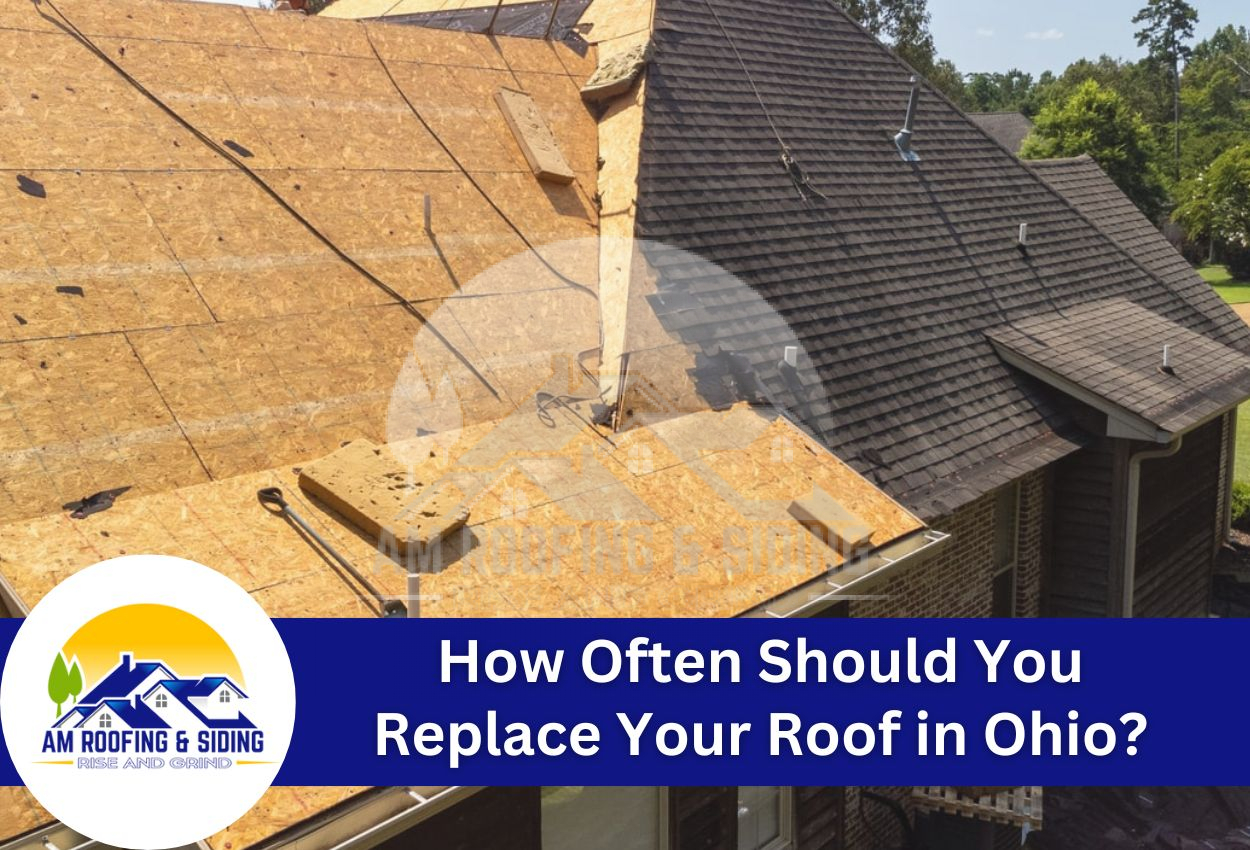
Homeowners in Ohio often wonder about the timing for a roof replacement. The frequency of roof replacement in Ohio depends on a few factors, including the local climate, roofing materials used, and maintenance practices. Ohio’s changing weather conditions, ranging from hot summers to snowy winters, can significantly impact a roof’s lifespan. Understanding these factors helps maintain the integrity of your home and avoid unnecessary repairs.
All roofing materials have different lifespans, and their durability can be affected by Ohio’s specific environmental challenges. Asphalt shingles, a popular choice in the region, may need replacement more frequently than metal or slate roofs. Recognizing the signs of roof damage and implementing seasonal maintenance can extend the life of your roof and help you determine when replacement becomes necessary.
For Ohio homeowners, being aware of the average replacement intervals for different roofing materials helps with planning and budgeting. This knowledge, combined with regular inspections and care, can ensure your roof continues to protect your home for years to come. By understanding the factors that influence roof longevity in Ohio’s climate, you can make better decisions about roof maintenance and replacement.
Key Takeaways: Roof Replacement in Ohio
- Asphalt Shingles: Replace every 15-30 years in Ohio, while metal roofs last 40-70 years—making metal a better long-term investment despite higher upfront costs.
- Inspect Twice Yearly: Schedule professional inspections in fall and spring to catch damage from Ohio’s harsh winters and summer storms before repairs escalate.
- Budget $5,500-$13,000: Columbus-area homeowners should expect to pay this range for roof replacement, with potential additional $5,000-$6,000 for interior water damage repairs.
- Prevent Ice Dams: Improve attic insulation and ventilation to combat Ohio’s freeze-thaw cycles, which cause ice dam formation and accelerate roof deterioration.
Recognizing Signs of Roof Deterioration
Identifying the signs of roof deterioration helps Ohio homeowners maintain their property. Visual indicators specific to Ohio homes include curling or missing shingles, which can result from the state’s frequent temperature fluctuations. Dark streaks on the roof surface may indicate algae growth, which is common in humid climates. Granules in gutters are another telltale sign, often exacerbated by Ohio’s heavy spring rains and ice damage in winter.
Hidden issues that may necessitate early replacement are not always visible from the ground. Water stains on ceilings or walls can signal a leak, while sagging areas on the roof might indicate structural damage from heavy snow loads. In Ohio’s climate, ice dam formation can lead to water infiltration and damage to the roof deck. Homeowners should also pay attention to increased energy bills, which could suggest poor roof insulation or ventilation issues. When these issues go unaddressed, interior repairs for drywall and insulation can cost $5,000–$6,000 on top of the roof replacement.
Regular inspections by a professional roofing contractor in Central Ohio can help detect these problems. They can assess the overall condition of your roof, including the flashing around chimneys and vents, which are more vulnerable to Ohio’s weather extremes. Early detection of roofing issues can prevent more extensive damage and potentially extend the life of your roof.
Impact of Ohio’s Weather on Roof Longevity
Ohio’s climate plays a significant role in determining how often homeowners need to replace their roofs. The state experiences a wide range of weather conditions, from hot and humid summers to cold and snowy winters, each posing challenges to roofing materials. These seasonal weather patterns can accelerate wear and tear, potentially shortening the lifespan of a roof.
During summer, intense heat and UV radiation can cause shingles to crack, warp, or fade. In winter, the freeze-thaw cycle can lead to ice dam formation, which may damage roofing materials and cause leaks. Spring and fall bring heavy rains and strong winds, potentially loosening or dislodging shingles. These weather extremes can significantly impact how often Ohio homeowners need a roof replacement. Proper installation quality directly affects how well roofing materials can handle Ohio’s weather extremes and impacts overall lifespan.
To protect your roof from Ohio’s climate challenges, consider strategies such as improving attic insulation and ventilation to prevent ice dams and reduce heat buildup. Regular maintenance, including gutter cleaning and prompt repairs, can also extend your roof’s lifespan. For Central Ohio homeowners, choosing roofing materials specifically designed to withstand local weather conditions can be a wise investment, potentially reducing how often roof replacements are needed and ensuring long-term protection for your home.
Choosing the Right Roofing Material for Ohio Homes
Selecting the appropriate roofing material can help Ohio homeowners maximize their roof’s lifespan and durability. The state’s varied climate requires materials that can withstand both hot summers and harsh winters. Asphalt shingles are a popular choice because of their affordability and color and style options, typically lasting 15 to 30 years.
| Material Type | Lifespan | Ohio Climate Suitability | Key Considerations |
|---|---|---|---|
| Asphalt Shingles | 15-25 years | Good | Most affordable; adequate for freeze-thaw cycles |
| Metal Roofing | 40-70 years | Excellent | Superior durability; handles snow, ice, and storms well |
| Composite/Synthetic Shingles | 30-50 years | Very Good | Mimics natural materials; strong weather resistance |
| Wood Shakes | 20-40 years | Moderate | Aesthetic appeal; requires regular maintenance |
| Slate | 50-100+ years | Excellent | Premium durability; higher upfront cost |
| Tile | 50-100+ years | Excellent | Long-lasting; requires structural support |
Metal roofs, while more expensive initially, offer superior longevity, lasting 40-70 years, and excellent resistance to Ohio’s weather extremes.
For homeowners wanting a balance between cost and durability, composite shingles are an attractive option. These shingles look like slate or wood while offering enhanced weather resistance and typically lasting 30-50 years. Wood shakes last 20-40 years and provide natural aesthetic appeal but require regular maintenance. Slate and tile roofs, though expensive, can last a century or more, making them a long-term investment for Ohio homes. Each material comes with its own set of advantages and considerations, including weight, maintenance requirements, and aesthetic appeal.
When evaluating roofing options, Central Ohio homeowners consider factors such as energy efficiency, fire resistance, and local building codes. A roofing contractor can help you decide which materials are best for your location and home design. By choosing the right roofing material, you can extend the time between replacements and improve your home’s protection against Ohio’s weather conditions.
The Role of Professional Roof Inspections
Regular roof inspections by qualified professionals play a significant role in maintaining the integrity of Ohio homes. These assessments can identify potential issues before they turn into expensive repairs or premature replacements. Ohio’s climate can accelerate roof wear, making expert evaluations even more important for homeowners in the state.
During a professional roof inspection, experts thoroughly examine both the exterior and interior components of the roofing system. They look for signs of damage such as cracked or missing shingles, deteriorated flashing, and evidence of water infiltration. Inspectors also assess the condition of gutters, downspouts, and ventilation systems, all of which are vital for a roof’s longevity in Ohio’s climate.
Homeowners can expect a detailed report following the inspection, outlining any issues found and recommended actions. This information helps plan maintenance, budget for future repairs, and determine when a full replacement might be necessary. By working with professional roofing services for regular inspections, Ohio residents can extend their roof’s lifespan and ensure their homes remain protected.
Extending Your Roof’s Lifespan: Maintenance Tips for Ohio Homeowners
Proper maintenance maximizes your roof’s lifespan in Ohio. Regular care can delay the need for replacement, saving homeowners substantial costs over time. A seasonal maintenance checklist for Ohio roofs should include cleaning gutters and downspouts, especially after fall leaf drop and spring pollination. Inspect for and remove debris accumulation, which can trap moisture and accelerate deterioration. Trim overhanging tree branches to prevent potential roof damage during severe weather events. Schedule inspections twice a year—once in fall and once in spring—to assess damage from harsh winters and summer storms.
While some maintenance can be done by homeowners, others require a professional eye. DIY roof care might include visual inspections from the ground, checking for obvious damage or missing shingles. However, walking on the roof or attempting repairs without proper training can be dangerous and potentially cause more harm than good. Professional maintenance services offer comprehensive inspections, including checking for hidden damage, assessing flashing and seals, and identifying potential weak spots.
For Central Ohio homeowners, investing in professional roof maintenance can be especially beneficial. Local roofing contractors understand the specific challenges posed by Ohio’s weather patterns and can offer advice on how to protect your roof. Regular professional inspections can catch minor issues, potentially extending your roof’s lifespan by years and ensuring it continues to protect your home.
Planning and Budgeting for a Roof Replacement in Ohio
When it comes to roof replacement in Ohio, proper planning and budgeting are essential. The cost of a new roof depends on the size of your home, the chosen materials, and the complexity of the installation. While replacement is more expensive upfront, continuous repairs may be more costly in the long run, helping homeowners make informed financial decisions.
| Scope | Cost Range | Notes |
|---|---|---|
| General Ohio Roof Replacement | $5,000-$15,000 | Varies by material, roof size, and complexity |
| Columbus Area Average | $5,500-$13,000 | Location-specific estimate for typical homes |
| 2,000 Sq. Ft. Home | $12,000-$12,500 | Benchmark for larger properties |
| Interior Repair (Water Damage) | $5,000-$6,000 | Potential additional cost for drywall, insulation repairs |
The timeline for a roof replacement project in Ohio typically ranges from a few days to a week, depending on the project’s scope and weather conditions. Plan your replacement during a season with favorable weather, usually late spring through early fall. This timing helps ensure optimal installation conditions and minimizes the risk of weather-related delays.
A new roof offers benefits beyond protection, including increased home resale value and improved curb appeal for homeowners planning to sell in the future. Additionally, a new roof can improve home insulation and energy efficiency, leading to savings on heating and cooling costs, which helps offset the replacement investment.
Financing options for roof replacement in Ohio include home equity loans, personal loans, and specialized roofing company financing programs. Some homeowners may also benefit from insurance coverage if the replacement is due to storm damage or other covered events. Talk to your insurance provider to understand your policy’s coverage for roof replacement. With these factors in mind and working with a trustworthy Central Ohio roofing contractor, you can effectively plan and budget for your roof replacement project.
Ready to Replace Your Roof? Contact AM Roofing & Siding Today!
If you’ve noticed any signs of deterioration or damage to your roof, or if you’re concerned about how Ohio’s harsh weather conditions are affecting its longevity, don’t wait until it’s too late. Keeping your roof in top condition helps ensure the safety and security of your home. AM Roofing & Siding is here to help with expert services for Ohio homes. From picking materials to professional installation, we ensure a seamless and cost-effective roof replacement process.
Don’t compromise on your home’s protection. Call us at (740) 974-8268 to schedule a consultation and get a detailed assessment. Let AM Roofing & Siding extend the life of your roof with our superior materials and skilled workmanship.
Can I replace my roof in winter in Ohio?
Yes, winter roof replacement is possible in Ohio, though it presents challenges. Cold temperatures can make shingles brittle and adhesive strips less effective, requiring experienced installers who use specialized techniques. Most contractors recommend waiting for temperatures above 40°F for optimal installation, but emergency replacements can be completed year-round with proper precautions.
How does proper attic ventilation affect roof lifespan in Ohio?
Adequate attic ventilation significantly extends roof life by regulating temperature and moisture levels. In Ohio’s humid climate, poor ventilation traps heat in summer, causing premature shingle aging, and creates condensation in winter that can lead to mold, rot, and ice dams. Proper airflow through ridge and soffit vents helps maintain consistent temperatures and prevents these issues.
What warranties should I expect with a new roof in Ohio?
Roof warranties typically include manufacturer’s material warranties ranging from 20 to 50 years depending on the product, plus workmanship warranties from your contractor covering installation defects for 1 to 10 years. Ohio homeowners should ensure both warranties are transferable if selling their home and understand what weather events and maintenance requirements affect coverage validity.
Do I need a permit for roof replacement in Central Ohio?
Most municipalities in Central Ohio require building permits for roof replacement to ensure work meets local building codes and safety standards. Your roofing contractor typically handles permit applications and inspections as part of their service. Skipping permits can result in fines, complications with insurance claims, and issues when selling your home.
How does roof color impact performance in Ohio’s climate?
Roof color affects energy efficiency and material longevity in Ohio’s variable climate. Lighter colors reflect more sunlight, reducing cooling costs in summer and potentially extending shingle life by minimizing heat absorption. Darker roofs absorb heat, which can help melt snow faster in winter but may accelerate aging in hot months, making color selection an important consideration.