
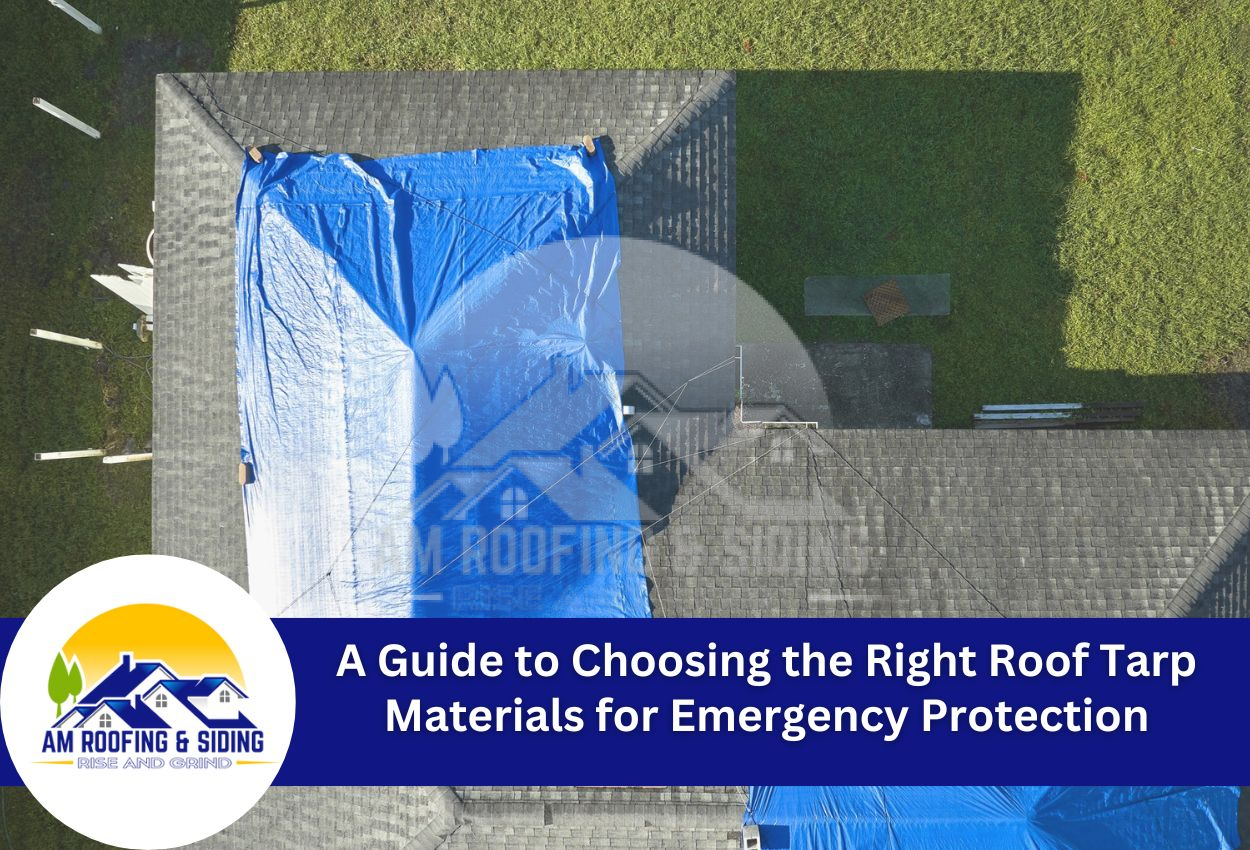
When storms strike or unexpected damage occurs, finding the best roof tarp materials becomes critical for protecting your home from further harm. Quality emergency roof covering options can mean the difference between minor repairs and extensive structural damage that costs thousands of dollars.
Heavy-duty roof tarps are a first line of defense against water infiltration, wind, and debris. The right temporary roof protection materials create an effective barrier while professional repairs are arranged. However, not all tarps offer the same level of protection or durability during harsh weather conditions.
Material composition plays the most important role in tarp effectiveness. A waterproof tarp for roof damage must withstand constant moisture exposure without deteriorating or allowing leaks. Thickness, reinforcement, and weather resistance determine how well a tarp performs during extended use.
Size requirements depend on the extent of damage and roof dimensions. Proper coverage extends beyond the damaged area to ensure complete protection. Weather conditions also influence material selection, as extreme temperatures, high winds, and precipitation levels can affect the performance of a tarp.
Understanding these factors helps homeowners make informed decisions when deciding which roof tarp installation method to use and which materials to pick.
Polyethylene Tarps for Quick and Affordable Roof Coverage
Polyethylene tarps represent the most accessible emergency roof covering options for homeowners facing water damage. These waterproof tarps for roof damage can be deployed quickly at budget-friendly prices, making them popular choices during storm emergencies when professional repairs cannot be scheduled immediately.
Standard polyethylene provides several key advantages as a temporary roof protection material. The lightweight construction allows for easier handling during installation, while the waterproof surface creates an effective moisture barrier. These tarps resist tearing better than basic plastic sheets and maintain flexibility in cold weather conditions that cause other materials to become brittle.
However, limitations exist with standard polyethylene options. UV exposure degrades the material over time, causing brittleness and potential failure during extended use. Wind resistance is often insufficient in severe weather without proper anchoring systems. Cheaper polyethylene tarps often feature inconsistent thickness that creates weak spots prone to punctures.
Quality identification focuses on mil thickness ratings and reinforcement features. Heavy-duty roof tarps typically measure 6 to 12 mil thickness, with higher ratings providing better durability. Reinforced edges and corner grommets indicate superior construction compared to basic options. Reputable manufacturers clearly display thickness specifications and material composition details.
Professional roof tarp installation methods ensure polyethylene tarps perform effectively until permanent repairs restore complete protection to damaged roofing systems.
Heavy Duty Canvas and Vinyl Materials for Long-Term Protection
Canvas and vinyl tarps deliver superior performance compared to polyethylene options when extended temporary roof protection becomes necessary. These heavy-duty roof tarps withstand harsh weather conditions for weeks or months without significant deterioration, making them ideal waterproof tarps for roof damage situations requiring long-term coverage.
Canvas materials excel in tear resistance and breathability, preventing moisture buildup beneath the tarp surface. Vinyl tarps offer exceptional waterproofing capabilities with welded seams that eliminate potential leak points. Both materials maintain structural integrity under temperature fluctuations that cause polyethylene to become brittle or overly flexible.
Key features distinguish quality heavy-duty materials from standard options. Reinforced edges prevent tearing at stress points during high wind conditions. UV-resistant coatings protect against sun damage that degrades lesser materials within days. Enhanced tear strength ratings ensure the tarp survives debris impact and normal wear.
Professional-grade grommets spaced at regular intervals provide secure attachment points for proper roof tarp installation methods.
Selecting appropriate canvas or vinyl emergency roof covering options ensures adequate protection during complex repair situations that require an extended timeline for completion in Central Ohio’s variable weather conditions.
Waterproofing Performance Across Different Tarp Materials
Understanding how various tarp materials handle leaks determines the effectiveness of temporary roof protection materials during extended exposure periods. Vinyl materials provide superior waterproofing through synthetic construction that repels water completely without absorption.
Polyethylene waterproof tarps for roof damage options rely on plastic barriers that prevent leaks when intact. However, stress points and manufacturing inconsistencies create potential failure areas where water can breach the protective surface. Heavy-duty roof tarps constructed from reinforced vinyl eliminate these vulnerabilities through heat-welded seams and consistent thickness throughout the material.
Coating technology significantly enhances the waterproof capabilities across all material types:
- Polyurethane coatings applied to canvas create durable, water-resistant surfaces while maintaining fabric flexibility.
- Acrylic treatments provide UV protection that prevents coating degradation over time.
- PVC coatings on vinyl materials ensure complete waterproofing with enhanced tear resistance during severe weather conditions.
Fabric treatments extend the service life of emergency roof covering options through specialized applications. Anti-microbial treatments prevent mold growth in humid conditions, while flame-retardant coatings add safety protection during installation. These enhanced materials justify investment costs through reliable long-term performance that protects interior spaces until professional roof tarp installation methods can be properly implemented for permanent repair solutions.
Installation Considerations That Impact Material Choice
Installation complexity varies significantly between different tarp materials, directly affecting whether homeowners can safely handle emergency roof covering options themselves or require professional assistance. Lightweight polyethylene tarps offer the easiest installation process, weighing substantially less than canvas or vinyl alternatives while maintaining sufficient flexibility for maneuvering across damaged roof sections.
Material weight becomes a critical safety factor during roof tarp installation methods. Heavy-duty roof tarps constructed from thick vinyl or canvas can weigh 50 to 100 pounds when folded, creating handling challenges for untrained individuals working at elevation. These weights increase substantially when materials become wet during installation, potentially creating dangerous situations on slippery roof surfaces.
Flexibility determines how easily different waterproof tarps for roof damage materials conform to roof contours and obstacles. Polyethylene maintains pliability in most weather conditions, allowing homeowners to work around vents, chimneys, and irregular surfaces without specialized tools. Canvas and vinyl materials require more effort to position properly, but provide superior wind resistance once secured.
Attachment methods influence installation difficulty and safety requirements. Basic polyethylene emergency roof covering options typically use simple nail-through techniques that homeowners can manage with standard tools. Professional-grade temporary roof protection materials often require specialized fastening systems, proper load distribution techniques, and safety equipment that exceed typical homeowner capabilities, making professional installation the safer choice for complex damage.
Sizing and Coverage Requirements for Effective Roof Protection
Proper measurement and sizing determine the success of any temporary roof protection installation. Assessing the damaged areas ensures adequate coverage while preventing expensive material waste or insufficient protection that allows continued water infiltration.
Measuring damaged roof sections requires extending coverage beyond visible damage by at least 3 feet in all directions. This overlap provides an essential waterproof tarp for roof damage protection that accounts for hidden structural compromise and ensures secure attachment to undamaged roof sections. Emergency roof covering options must extend far enough to reach solid structural members capable of supporting attachment hardware during high wind conditions.
Heavy-duty roof tarps perform differently based on roof slope and architectural features. Steep-pitched roofs common in Central Ohio require materials with enhanced grip characteristics and specialized attachment methods to prevent sliding. Low-slope roofs need tarps with superior drainage capabilities to prevent water pooling that leads to structural overload or material failure.
Standard residential roof dimensions typically require 20×30-foot or 30×40-foot tarp sizes for effective coverage. Larger damaged areas may need multiple overlapping temporary roof protection materials with proper sealing between sections. Hip roofs and complex architectural designs often require custom cutting and multiple tarp sections to achieve complete protection.
Professional roof tarp installation methods account for thermal expansion, wind uplift, and drainage patterns when determining final coverage requirements for different material types and roof configurations.
Making the Final Decision Based on Your Specific Situation
Selecting appropriate temporary roof protection materials requires an evaluation of damage severity, timeline constraints, and available resources. Homeowners must assess whether their situation needs a quick installation of a waterproof tarp or allows time for sourcing heavy-duty roof tarps that provide extended protection during lengthy repair processes.
Several critical questions guide material selection decisions. The extent of structural damage determines whether lightweight polyethylene emergency roof covering options provide adequate protection or if reinforced canvas and vinyl materials become necessary. Weather forecasts influence urgency levels, as approaching storms require immediate installation of available materials rather than waiting for optimal tarp types.
Budget considerations balance initial material costs against potential property damage from inadequate protection. Basic polyethylene tarps cost significantly less than professional-grade alternatives but may fail during extended use or severe weather. Heavy-duty roof tarps represent higher upfront investments that prevent expensive interior damage through reliable long-term performance.
Installation complexity determines whether homeowners can safely handle roof tarp installation methods independently or require professional assistance. Simple damage scenarios on accessible roof areas often allow DIY approaches with appropriate safety precautions. Complex damage patterns, steep roof slopes, or coverage areas typically need professional installation services that ensure proper attachment and safety compliance while maximizing protection effectiveness until permanent repairs restore complete roofing system integrity.
Find the Best Roof Tarp Materials with AM Roofing & Siding
Choosing the right roof tarp is crucial for effective emergency protection of your home in Central Ohio. At AM Roofing & Siding, we understand the urgency and the importance of securing your property quickly and effectively. Our range of high-quality tarps includes options perfect for any situation, whether you’re dealing with storm damage, fallen trees, or other urgent roofing needs. Our heavy-duty tarps are designed for durability and weather resistance, providing you with peace of mind during challenging conditions.
Don’t wait for the situation to get worse. Protect your home now by selecting the most reliable and durable tarp materials available. Call AM Roofing & Siding today at (740) 974-8268 to discuss your emergency roof covering options and find the best solution tailored to your needs.