

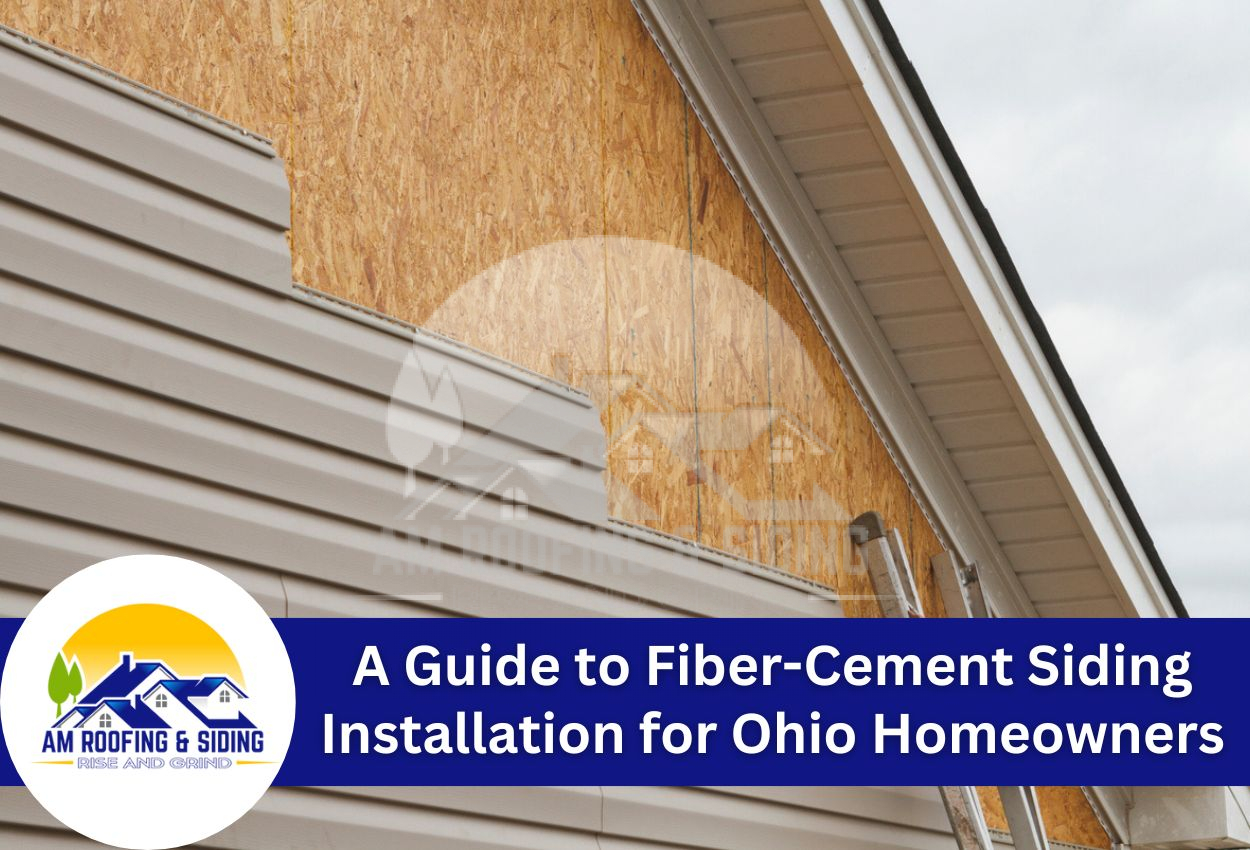
Fiber-cement siding has become the preferred choice for Central Ohio homeowners seeking a durable, low-maintenance exterior solution that withstands harsh weather conditions. This engineered material combines cement, sand, and cellulose fibers to create siding that resists fire, insects, and moisture damage while maintaining its appearance for decades.
The fiber-cement siding installation process requires specific techniques and tools that differ significantly from traditional vinyl or wood siding projects. Fiber-cement board installation involves precise cutting, proper spacing, and specialized fastening methods to ensure optimal performance and longevity.
Understanding the complexity of cement siding installation helps homeowners make informed decisions about their exterior renovation projects. The installation process needs attention to detail, from proper flashing and moisture barriers to correct nailing patterns and joint sealing. These critical steps directly impact the siding’s ability to protect homes from Ohio’s climate conditions.
Professional contractors who work with fiber cement bring expertise in handling the material’s weight, managing dust during cutting, and ensuring compliance with manufacturer warranties. The fiber-cement siding benefits extend beyond durability to include enhanced curb appeal, energy-efficiency improvements, and increased property value when properly installed.
Why Fiber-Cement Siding Stands Out Among Siding Materials
Fiber-cement siding offers exceptional advantages that make it particularly well-suited for Ohio’s challenging weather patterns. This material provides superior resistance to temperature fluctuations, heavy snow loads, and severe storms that frequently impact the region. The fire-resistant properties of fiber-cement siding create an additional safety barrier that wood and vinyl alternatives cannot match, while its dense composition prevents moisture infiltration that leads to rot and structural damage.
When comparing siding options, the benefits of fiber-cement siding become clear through direct material analysis. Vinyl siding can crack in extreme cold and warp under intense heat, while wood requires constant maintenance and remains vulnerable to insects and decay. Aluminum siding dents easily and provides limited insulation value. Fiber-cement board installation creates a protective shell that maintains structural integrity across decades of use without the frequent repairs needed by other materials.
The long-term durability of fiber-cement siding translates to significant value for homeowners. This material resists fading, cracking, and warping while maintaining its original appearance with minimal upkeep. Professional contractors who work with fiber cement understand the specific installation requirements that maximize these performance characteristics, ensuring proper ventilation, correct fastening techniques, and seamless integration with existing home systems. The fiber-cement siding installation process creates a weather-tight seal that protects homes while delivering lasting aesthetic appeal.
Essential Tools and Materials for Fiber-Cement Siding Installation
Successful fiber-cement siding installation requires specialized tools specifically designed to handle this dense material safely and effectively. Carbide-tipped saw blades represent the most critical cutting tool, as standard wood-cutting blades quickly dull when cutting through cement fibers. Circular saws equipped with these specialized blades create clean, precise cuts that prevent chipping and ensure proper board alignment during fiber-cement board installation.
Safety equipment becomes paramount during the fiber-cement siding installation process due to silica dust generation. High-quality dust masks or respirators protect installers from harmful particles, while safety glasses shield eyes from debris. Professional contractors who work with fiber cement also utilize dust collection systems that minimize airborne particles and create safer working conditions throughout the project.
Beyond cutting tools, proper fastening equipment ensures long-term performance of fiber-cement siding. Stainless steel or galvanized nails resist corrosion in Ohio’s humid conditions, while pneumatic nail guns provide consistent depth and spacing. Additional materials include weather-resistant flashing around windows and doors, high-quality exterior caulk for joint sealing, and appropriate starter strips that establish proper board alignment.
The siding installation process also requires moisture barriers, corner trim pieces, and specialized fasteners that accommodate the material’s expansion and contraction characteristics. These components work together to create the weatherproof exterior system that delivers the full fiber-cement siding benefits homeowners expect from this premium material choice.
The Fiber-Cement Siding Installation Process
The fiber-cement siding installation process begins with comprehensive preparation work that establishes the foundation for long-term performance. House wrap installation creates the essential moisture barrier that prevents water infiltration behind the siding system. This weather-resistant barrier must be properly overlapped and sealed around windows, doors, and other openings to maintain continuous protection across the entire wall surface.
Measuring and planning the layout represents a critical phase that determines the final appearance of the installation. Professional contractors who work with fiber cement calculate board spacing to minimize waste while ensuring even coursing around windows and architectural features. The layout process includes determining starter strip placement, establishing level reference lines, and planning cut locations to maintain consistent reveal spacing throughout the project.
Installation begins with the bottom course, which requires precise alignment and proper clearance from ground surfaces and rooflines. Each row after that follows specific spacing requirements, typically maintaining a 6-inch minimum lap between joints in adjacent courses. Cutting techniques involve scoring the back of boards and snapping for straight cuts, while circular saws with carbide blades handle intricate shapes around fixtures and trim.
Proper fastening methods ensure the siding system withstands wind loads and thermal movement. Nails go through at least 1 inch into solid framing members, positioned within specified distances from board edges to prevent splitting. The siding installation process continues systematically from bottom to top, maintaining consistent spacing and checking alignment frequently to achieve professional results that maximize fiber-cement siding benefits.
Common Installation Challenges and Safety Considerations
The fiber-cement siding installation process presents several unique challenges that require careful preparation and proper techniques. Cutting fiber-cement boards generates significant amounts of fine silica dust, creating health hazards and requiring specialized dust management systems. Professional contractors who work with fiber cement utilize wet-cutting methods or dust collection equipment to minimize airborne particles during the cutting process.
Weather conditions significantly impact the siding installation process, particularly in Ohio’s climate. High humidity can affect adhesive curing times, while extreme temperatures create challenging working conditions that slow progress.
Critical safety measures form the foundation of successful fiber-cement siding projects. Respiratory protection using N95 masks or higher-grade respirators prevents inhalation of harmful dust particles generated during cutting operations. Proper lifting techniques become essential due to the material’s substantial weight compared to vinyl alternatives. Eye protection shields against debris, while work gloves provide a secure grip when handling rough-textured boards.
Professional siding contractors implement comprehensive safety protocols that protect workers while ensuring quality installation results. These measures include establishing proper ventilation in work areas, securing ladders and scaffolding systems, and maintaining clean work surfaces that prevent slips and falls throughout the project duration.
DIY Installation vs. Hiring Professional Contractors
Determining whether to tackle fiber-cement siding installation as a DIY project or hire professional contractors who work with fiber cement requires an honest evaluation of personal skills and available time. The material’s weight and density create physical challenges that exceed typical home improvement projects, while specialized cutting techniques demand experience with carbide-blade tools and dust management systems. Fiber-cement board installation involves precise measurements, consistent spacing, and proper fastening methods that directly impact long-term performance and weather resistance.
DIY enthusiasts must consider the substantial time commitment required for successful fiber-cement siding installation. Learning proper cutting techniques and managing safety protocols typically extends project timelines significantly beyond professional completion schedules. The physical demands of handling heavy boards while maintaining precise cuts and alignment create fatigue that can compromise installation quality as projects progress.
The decision ultimately depends on individual capabilities and project scope. Professional installation provides warranty coverage, proper insurance protection, and guaranteed compliance with manufacturer requirements that preserve fiber-cement siding benefits. Experienced contractors complete projects efficiently while ensuring the installation meets performance standards that protect homeowner investments over decades of service life.
Finding the Right Siding Installation Contractor in Central Ohio
Selecting qualified contractors that work with fiber cement requires evaluating their specific experience with fiber-cement siding installation projects. Contractors should demonstrate extensive knowledge of fiber-cement board installation techniques, including proper cutting methods, fastening requirements, and moisture management systems. Request detailed information about their previous fiber-cement projects, including photo documentation and customer references that verify their expertise with this specialized material.
Essential contractor qualifications include current licensing and comprehensive insurance coverage. Verify that contractors maintain workers’ compensation insurance and general liability coverage that protects homeowners from potential damages during the project. Licensed professionals understand local building codes and permit requirements that ensure compliance with municipal regulations throughout the installation process.
Quality contractors provide detailed written estimates that specify board grades, fastener types, and installation methods aligned with manufacturer guidelines. Check references by contacting previous customers to assess work quality, project completion schedules, and overall satisfaction with the contractor’s performance and professionalism.
Permit acquisition represents a critical responsibility that professional contractors who work with fiber cement should handle completely. Experienced contractors navigate local permitting processes efficiently while ensuring all installation work meets inspection requirements. They coordinate with building departments to schedule necessary inspections and address any compliance issues that arise during the fiber-cement siding installation process, protecting homeowners from potential legal complications.
Choose AM Roofing & Siding for Your Fiber-Cement Siding Installation in Central Ohio
If you’re considering the durable and aesthetically pleasing option of fiber-cement siding for your home, don’t go it alone. The complexities and specific skills required for a flawless installation suggest the need for seasoned experts. AM Roofing & Siding specializes in fiber-cement siding installation, ensuring your home not only looks great but also withstands the test of time against Ohio’s unpredictable weather.
With AM Roofing & Siding, you gain access to top-quality materials, expert installation, and peace of mind with a full warranty. Ready to transform your home’s exterior with the best? Call us now at (740) 974-8268 to schedule your consultation and move one step closer to a beautiful, enduring home exterior.