

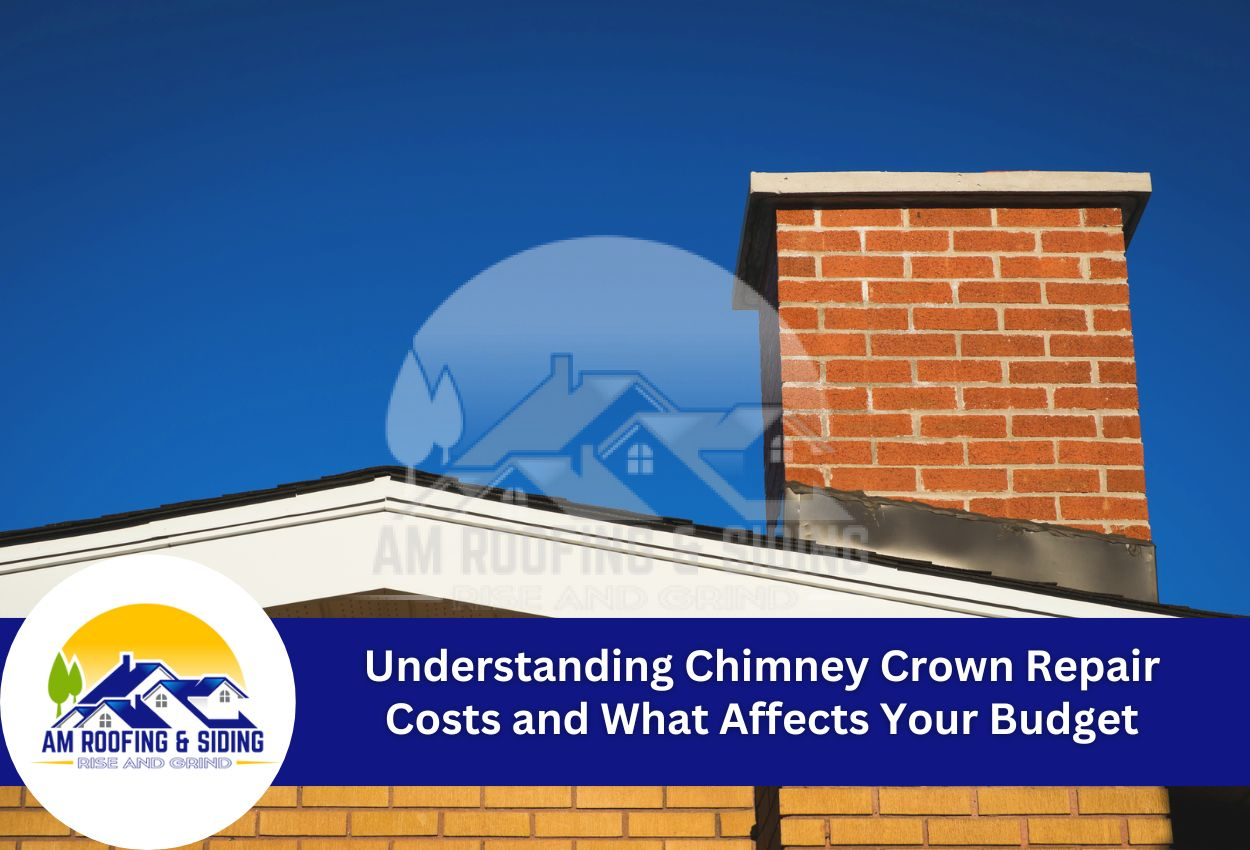
The chimney crown sits at the top of a chimney structure and acts as the first line of defense against rain, snow, and ice. This concrete or mortar slab extends over the chimney walls and directs water away from the flue and masonry. However, when a cracked chimney crown goes unrepaired, water seeps into the chimney system and causes extensive damage to the bricks, mortar joints, and interior components.
Homeowners who notice cracks, chips, or deteriorating sections on their chimney crown face an important decision about repair options. The severity of damage plays a major role in determining how much the repairs will cost. Minor surface cracks may only require chimney crown sealing or waterproofing treatments, while extensive deterioration often necessitates complete replacement.
Several factors influence the final price tag for chimney crown repairs. The size of the chimney crown, accessibility of the roof, extent of existing damage, and chosen repair method all contribute to the overall investment. Material selection also impacts pricing, as different sealants and concrete mixes vary in quality and longevity. Having an understanding of these cost factors helps property owners protect one of their home’s most critical components from weather-related damage and expensive future repairs.
Signs Your Chimney Crown Needs Professional Attention
Recognizing the warning signs of chimney crown damage helps homeowners address problems before they escalate into major structural issues. Visible cracks in the concrete chimney crown are the most common indicator that repair work is needed. These cracks often start small but expand over time as water enters and freezes during winter. Crumbling concrete around the edges signals advanced deterioration that requires immediate attention to prevent further damage to the chimney structure.
Water stains on the exterior masonry or inside the firebox provide clear evidence that the crown is no longer protecting the chimney system effectively. White staining, known as efflorescence, appears when water carries salts to the surface of the brick. Missing chunks of concrete or mortar from the crown surface indicate that the material has weakened beyond the point where simple chimney crown sealing will suffice.
Central Ohio’s climate creates unique challenges for chimney crowns through repeated freeze-thaw cycles during winter and early spring. Water that seeps into small cracks freezes and expands, widening the gaps and accelerating deterioration. This pattern of temperature fluctuation makes chimney crown waterproofing particularly important for local homeowners. A cracked chimney crown that might seem minor in autumn can transform into a serious problem requiring replacement by spring.
Types of Chimney Crown Repairs and Their Cost Ranges
Chimney crown repair options vary significantly based on the extent of damage present. Minor issues like hairline cracks and surface wear respond well to less invasive treatments that preserve the existing structure. These basic repairs focus on sealing vulnerable areas and applying protective coatings that prevent water infiltration. Chimney crown sealing involves filling small cracks with specialized elastomeric compounds designed to flex with temperature changes. This approach works effectively for crowns showing early signs of deterioration without structural compromise.
Chimney crown waterproofing treatments add an extra layer of protection over sealed surfaces. These coatings create a barrier against moisture while allowing the chimney crown to breathe and release trapped vapor. Property owners benefit from this preventive approach when damage remains superficial and the underlying concrete maintains its integrity. The combination of crack sealing and waterproofing extends the life of a chimney crown substantially without requiring major material investments or extensive labor.
Moderate damage needs more comprehensive intervention through partial reconstruction techniques. A cracked chimney crown with deeper fissures or missing sections requires concrete patching to restore structural stability. This middle-ground solution addresses significant deterioration while avoiding the expense of complete chimney crown replacement. Contractors remove compromised concrete, prepare the surface properly, and apply new mortar or concrete to rebuild damaged areas. This repair method is appropriate when the majority of the crown remains sound, but specific sections have failed due to weather exposure or age-related wear.
If you are unsure of the extent of the damage, a professional contractor can perform an assessment and determine the best repair option.
When Complete Chimney Crown Replacement Becomes Necessary
Complete chimney crown replacement becomes the only viable option when damage extends beyond what repair techniques can effectively address. Severe structural damage manifests through widespread cracking patterns that compromise the entire crown rather than isolated sections. When cracks interconnect across the surface or are deep through the concrete chimney crown, the structural integrity has deteriorated to a point where patching provides only temporary relief. Multiple failed repair attempts often indicate that the underlying concrete has weakened beyond restoration.
Age-related deterioration affects older chimney crowns that were constructed with inferior materials or improper techniques. Many older crowns consist of simple mortar rather than reinforced concrete, making them more vulnerable to cracking and crumbling. Building code requirements usually change over the decades, and older crowns may not meet current standards for overhang, drainage, or reinforcement. Additionally, when a cracked chimney crown shows pervasive damage throughout the structure, investing in repeated sealing or waterproofing treatments generally becomes inefficient compared to starting fresh with new construction.
Homeowners facing complete replacement benefit from modern materials and installation methods that provide superior durability. New chimney crowns should incorporate a slope for water drainage, adequate overhang to protect masonry walls, and reinforcement to resist cracking. While chimney crown replacement comes with a larger initial investment than basic repairs, it delivers long-term value through enhanced weather protection and reduced maintenance needs. Roofing contractors with masonry expertise ensure proper installation that protects the entire chimney system from water damage for decades to come.
Material Choices That Influence Repair Expenses
The materials selected for chimney crown repair work significantly affect both immediate expenses and long-term performance. Standard concrete crown materials provide basic protection at entry-level pricing, using traditional Portland cement mixes that meet minimum specifications for chimney construction. These conventional options serve their purpose adequately in moderate climates but may not withstand the demanding weather patterns experienced throughout Ohio. The region’s harsh winters, heavy spring rains, and temperature fluctuations challenge standard concrete formulations that lack enhanced durability features.
Upgraded concrete mixtures incorporate additives and modified formulations designed specifically for superior weather resistance and longevity. These premium materials include polymer-modified compounds that offer greater flexibility, allowing the concrete chimney crown to expand and contract without developing cracks during freeze-thaw cycles. Some advanced options feature waterproofing agents mixed directly into the concrete rather than applied as surface treatments after installation. While these upgraded materials increase initial repair expenses, they deliver measurable benefits through reduced cracking and extended service life.
Waterproofing treatments and protective coatings are another consideration that impacts overall investment in chimney crown repair. Basic sealers provide surface-level protection against moisture, creating a barrier that prevents water from entering existing cracks or porous concrete. Premium waterproofing systems penetrate deeper into the concrete structure and form chemical bonds that resist water intrusion more effectively. Some specialized coatings include elastomeric properties that bridge minor cracks and accommodate slight movement without compromising the protective seal. These treatments add to the final price tag, but they generally prevent future repair needs, reducing costs over time.
Understanding Labor Costs for Chimney Crown Repairs
Labor expenses represent a substantial portion of chimney crown repair investments, with multiple factors influencing the total amount homeowners pay for professional installation services. Chimney height directly affects labor requirements, as taller structures need additional safety equipment, scaffolding, or lift equipment to provide workers with secure access to the work area. A two-story home with a standard chimney presents straightforward access, while three-story structures or chimneys extending significantly above the roofline require more complex setup procedures that extend project timelines and increase labor hours.
Roof access difficulty creates another variable that contractors evaluate when estimating labor portions of chimney crown repair projects. Steep roof pitches common on many Central Ohio homes require specialized safety harnesses, anchoring systems, and additional crew members to maintain safe working conditions. Homes with multiple roof levels, dormers, or architectural features can complicate equipment positioning and need careful planning. Properties with limited space for ladder placement or nearby obstacles like trees, power lines, or adjacent structures also add complexity that translates to additional labor time.
As mentioned above, the extent of the damage influences the cost of chimney work. Simple chimney crown sealing projects typically require several hours of labor for surface preparation, crack filling, and waterproofing application. Moderate repairs involving partial reconstruction of a cracked chimney crown extend timelines to a full day or more, depending on the extent of damaged sections. Complete chimney crown replacement is the most labor-intensive option, requiring the removal of existing material, preparation of the underlying structure, concrete forming, pouring, and finishing work that spans multiple days.
Additionally, weather delays significantly impact project schedules, as concrete chimney crown installation needs specific temperature and precipitation conditions. Rain interrupts active work and extends curing times, while cold temperatures below freezing prevent proper concrete setting. Discovering unexpected structural damage during crown removal sometimes necessitates additional masonry repairs to flue tiles, chimney caps, or deteriorated brickwork that increases both material needs and labor hours beyond original estimates.
Overall, contractor rates throughout the Columbus metropolitan area and surrounding communities reflect local market conditions, experience levels, and business overhead expenses that vary between companies.
Getting the Best Value for Your Chimney Crown Repair
Selecting the right contractor for chimney crown repair requires asking specific questions that reveal their expertise and approach to quality workmanship. Property owners should inquire about the contractor’s experience with both minor chimney crown sealing projects and complete replacement work to gauge their familiarity with different repair scenarios. Questions about material preferences provide insight into whether the contractor prioritizes durability or simply selects the least expensive options. Homeowners also benefit from asking contractors to explain their assessment of the damage and why they recommend a particular repair approach over alternatives.
Comparing quotes from multiple contractors involves looking beyond the bottom-line figure to understand what each proposal includes. Some estimates may appear lower initially, but exclude necessary preparatory work like chimney cap removal or masonry cleaning that adds unexpected expenses later. Homeowners should verify whether quotes cover the complete project scope, including waste removal, site cleanup, and any required repairs to surrounding masonry. Material specifications need careful attention when evaluating proposals, as contractors using standard concrete for a cracked chimney crown may quote lower figures than those recommending polymer-modified compounds with superior weather resistance.
Warranty coverage is another critical comparison point that reflects a contractor’s confidence in their work quality and material choices. Companies offering extended warranties on chimney crown installation demonstrate commitment to long-term performance. Property owners should also ask for references from recent chimney crown waterproofing or replacement projects and verify licensing and insurance coverage before making a final decision.
Expert Chimney Crown Repair Services in Central Ohio
If your chimney crown is showing signs of significant damage, don’t delay in securing professional repair services. AM Roofing & Siding specializes in all types of chimney crown work. Understanding the specific challenges posed by Central Ohio’s climate, we address everything from cracked chimney crowns to sealing and comprehensive replacements.
Weather conditions in our area can accelerate damage, making timely repairs crucial to prevent more severe issues. Whether you need a minor waterproofing treatment or a full reconstruction, we ensure your chimney maintains its structural integrity. Call AM Roofing & Siding at (740) 974-8268 to discuss your chimney crown repair needs and get a reliable estimate. Act now to protect your property and avoid higher future costs.