

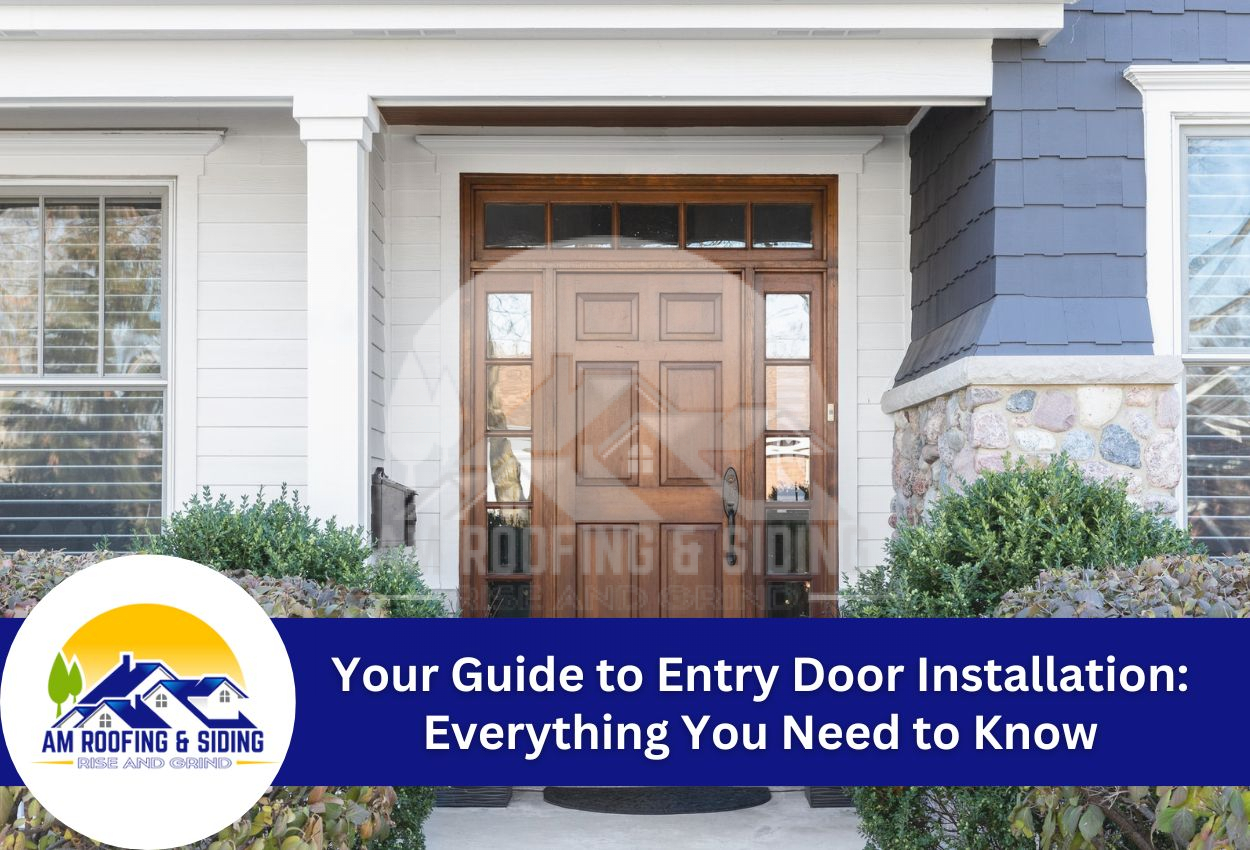
Entry door installations are one of the most impactful home improvements any property owner can undertake. A properly installed entry door acts as the primary barrier between your home’s interior and external elements, directly affecting security, energy efficiency, and overall curb appeal. The installation process requires careful attention to detail, proper tools, and an understanding of structural requirements to ensure the best possible performance for years to come.
Modern entry doors come in various configurations, with pre-hung door installation being the most common approach for homeowners. This method involves installing the door and frame as a single unit, simplifying the alignment process while ensuring a proper fit. Exterior door replacement projects often present unique challenges, particularly when dealing with older homes where frame dimensions may have shifted over time.
The success of any door installation project depends heavily on having the right door installation tools and understanding proper techniques for weatherstripping installation. These components work together to create an effective seal that prevents air and water infiltration. Door frame installations require precise measurements and level placement to avoid issues with standard operation and weather resistance. Professional door installation ensures proper integration with existing wall systems while maintaining its structural integrity.
Essential Tools and Materials for Professional Door Installation Results
Successful entry door installation requires a collection of specialized tools that ensure precise measurements and proper fitting. A 4-foot level is the most important tool for door frame installation, guaranteeing the frame remains even and square throughout the process. Digital calipers and measuring tapes provide accurate dimensions for pre-hung door installation, while tapered wooden shims allow for fine adjustments during positioning. Essential drilling equipment includes a hammer drill with masonry bits for concrete applications and standard twist bits for wood framing.
Quality materials significantly impact the longevity and performance of exterior door replacement projects. Heavy-duty construction screws, typically 3 inches in length, provide a secure attachment through door jambs into framing members. Professional-grade expanding foam insulation fills gaps around the perimeter of the frame, enhancing energy efficiency and structural stability. Weather-resistant caulking compounds create waterproof seals at exterior trim connections.
Weatherstripping installation needs specific materials designed for different door components. Compression weatherstripping works effectively along door stops, while magnetic or adhesive strips seal gaps at the threshold. Door installation tools should also include a reciprocating saw for trimming existing materials, pry bars for removal, and safety equipment, including eye protection and work gloves. These materials and tools work together to achieve professional results that withstand Central Ohio’s varying seasonal conditions.
Pre-Hung vs. Slab Doors: Choosing the Right Installation Method
Understanding the differences between pre-hung and slab door options helps homeowners make informed decisions for their entry door installation projects. Pre-hung door installation offers significant advantages for most residential applications, as the door arrives already mounted within its frame with hinges and hardware properly aligned. This configuration eliminates the complex process of mortising (carving the space that the hinges attach to the frame) and ensures consistent spacing around the perimeter of the door. The complete unit simplifies the installation process, reducing labor time and minimizing potential alignment issues that commonly occur with individually assembled components.
Pre-hung systems work particularly well for exterior door replacement situations where the existing frame shows signs of damage or wear. The complete door frame installation allows contractors to address structural issues while ensuring proper weatherproofing and insulation placement. These units typically include pre-installed weatherstripping, creating immediate protection against air infiltration once the installation is complete.
Slab door installation becomes appropriate when existing frames remain in excellent condition with square openings and functioning hardware. This approach requires additional steps, including hinge mortising, lockset boring, and precise fitting to achieve proper clearances. Door installation tools for slab applications must include specialized equipment like hinge templates and bore guides to ensure professional results. While slab installation demands greater skill and time investment, it can provide savings when existing frames meet structural requirements and dimensional specifications.
Door Frame Installation and Preparation
Proper door frame installation begins with an accurate measurement of the rough opening to ensure the new entry door unit fits correctly. The rough opening should measure approximately 2 inches wider and 2.5 inches taller than the door frame dimensions to accommodate shimming and adjustment. When performing exterior door replacement, contractors must carefully remove the existing frame using reciprocating saws and pry bars while preserving the surrounding wall. This removal process requires attention to electrical wiring, plumbing, or other utilities that may run through the wall cavity near the opening.
Preparation of the rough opening involves checking for level and plumb conditions using a 4-foot level on all sides. Uneven openings require correction through shimming or minor framing adjustments before proceeding with pre-hung door installation. The subfloor beneath the threshold area must be level and structurally sound to prevent door operation problems. Any damaged or rotted framing sections need replacement to ensure proper support for the new door system.
Frame positioning requires careful placement of the entire door unit within the rough opening, ensuring equal spacing on both sides for shimming. Door installation tools, including tapered shims, allow for precise adjustment of the frame position. Contractors secure the frame using construction screws driven through shims into the wall framing, starting with the hinge side to establish proper alignment. The process concludes with weatherstripping installation around the perimeter of the frame.
Professional Installation Techniques for Perfect Door Alignment
Achieving perfect door alignment requires meticulous shimming and leveling that prevent common problems like door sagging and uneven gap spacing. Professional contractors begin by placing shims behind each hinge location, ensuring the door frame remains perfectly even while supporting the weight of the door. The shimming process involves inserting tapered wooden shims between the door frame and rough opening studs, checking measurements continuously with a level to maintain consistent positioning. Proper shimming technique requires placing shims in opposing pairs to prevent the frame from bowing, with particular attention to the lock side, where additional support prevents frame flexing during door operation.
Gap spacing around the entire door perimeter should measure consistently between 1/8 and 3/16 inches to ensure proper weatherstripping contact and smooth door swing. This uniform spacing requires careful adjustment of shims at multiple points along the frame height, particularly at the top corners, where settling can create irregular gaps. Professional installers use a combination of visual inspection and gap measurement tools to verify consistent spacing before securing the frame permanently.
Hardware installation directly impacts door security and long-term functionality when executed with precision. Hinge placement must align perfectly with the door slab mortises, requiring careful measurement and positioning during frame installation. Strike plate alignment determines how securely the door latches and locks, needing precise boring and mortising to match the door’s lockset hardware. Professional installation ensures the strike plate sits flush with the frame while providing adequate engagement depth for the latch bolt and deadbolt mechanisms.
Weatherstripping Installation and Energy Efficiency
Proper weatherstripping installation creates the barrier needed to prevent air infiltration and energy loss around entry doors. The selection of appropriate weatherstripping materials depends on the specific door configuration and environmental exposure conditions. Compression weatherstripping works effectively along door stops and jambs where consistent contact pressure occurs during door closure. This material compresses when the door closes, forming an airtight seal that blocks drafts and moisture intrusion. Adhesive-backed foam strips provide economical sealing for doors with minimal exposure, while magnetic weatherstripping offers superior performance for steel doors with metal frames.
The installation technique significantly impacts weatherstripping performance and longevity. The material must be cut to precise lengths and positioned to maintain continuous contact without creating excessive resistance during door operation. Proper alignment ensures the weatherstripping compresses evenly across the entire door perimeter when closed. Corners require special attention with mitered cuts or specialized corner pieces to prevent gaps where air infiltration commonly occurs.
Insulation placement around door frames enhances energy efficiency while preventing thermal bridging through the wall. Expanding foam insulation fills gaps between the door frame and rough opening, but application requires restraint to prevent frame distortion. The foam should fill approximately 60% of the cavity space, allowing for expansion without creating pressure that could compromise the door’s alignment. Threshold sealing methods include adjustable door sweeps and threshold weatherstripping that accommodate minor floor irregularities while maintaining effective air sealing. These combined weatherproofing measures reduce heating and cooling costs while improving indoor comfort throughout seasonal temperature variations.
Exterior Door Replacement Considerations and Long-Term Maintenance
Exterior door replacement needs special attention to moisture protection and weatherproofing measures that standard interior installations do not require. Proper flashing installation creates the primary defense against water infiltration around the door frame perimeter. Self-adhesive flashing tape applied to the rough opening before door frame installation directs water away from structural components. The flashing extends beyond the door frame edges and integrates with the building’s weather barrier system to prevent leaks that can lead to rot and structural damage over time.
Drainage considerations play an important role in exterior door replacement success, particularly in regions experiencing significant rainfall and snow accumulation. The threshold design must incorporate a proper slope to direct water away from the door opening, while weep holes in storm door frames allow trapped moisture to escape. Door installation tools should include levels to verify proper drainage slope during installation. Contractors must ensure the door sill sits above ground level with adequate clearance to prevent standing water contact with door components.
Long-term maintenance extends door life and maintains the best possible performance throughout changing seasonal conditions. Annual inspection of weatherstripping installation reveals compression loss or damage that requires replacement. Door hinges need lubrication twice a year to prevent corrosion and ensure smooth operation. Pre-hung door installation hardware, including locksets and deadbolts, benefits from regular cleaning and lubrication of moving parts. Seasonal adjustments may include threshold height modifications to accommodate foundation settling or weather-related expansion. Exterior door surfaces require periodic cleaning and refinishing to maintain protective coatings that prevent moisture absorption and UV damage. These maintenance practices preserve the investment in professional entry door installation while ensuring continued security and energy efficiency.
Secure Your Home with Professional Entry Door Installation in Central Ohio from AM Roofing & Siding
Are you considering upgrading your home’s security and energy efficiency with a new entry door? AM Roofing & Siding specializes in professional entry door installation, ensuring your home not only looks great but is also well-protected and energy-efficient. With our expertise, we handle everything from selecting the right materials to precise installation techniques, tailored specifically for the unique weather conditions in Central Ohio.
Don’t wait to enhance your home’s curb appeal and safety. Contact AM Roofing & Siding today at (740) 974-8268 and let us help you with your door installation needs. Call us now to schedule your consultation and take the first step towards a safer, more energy-efficient home.