

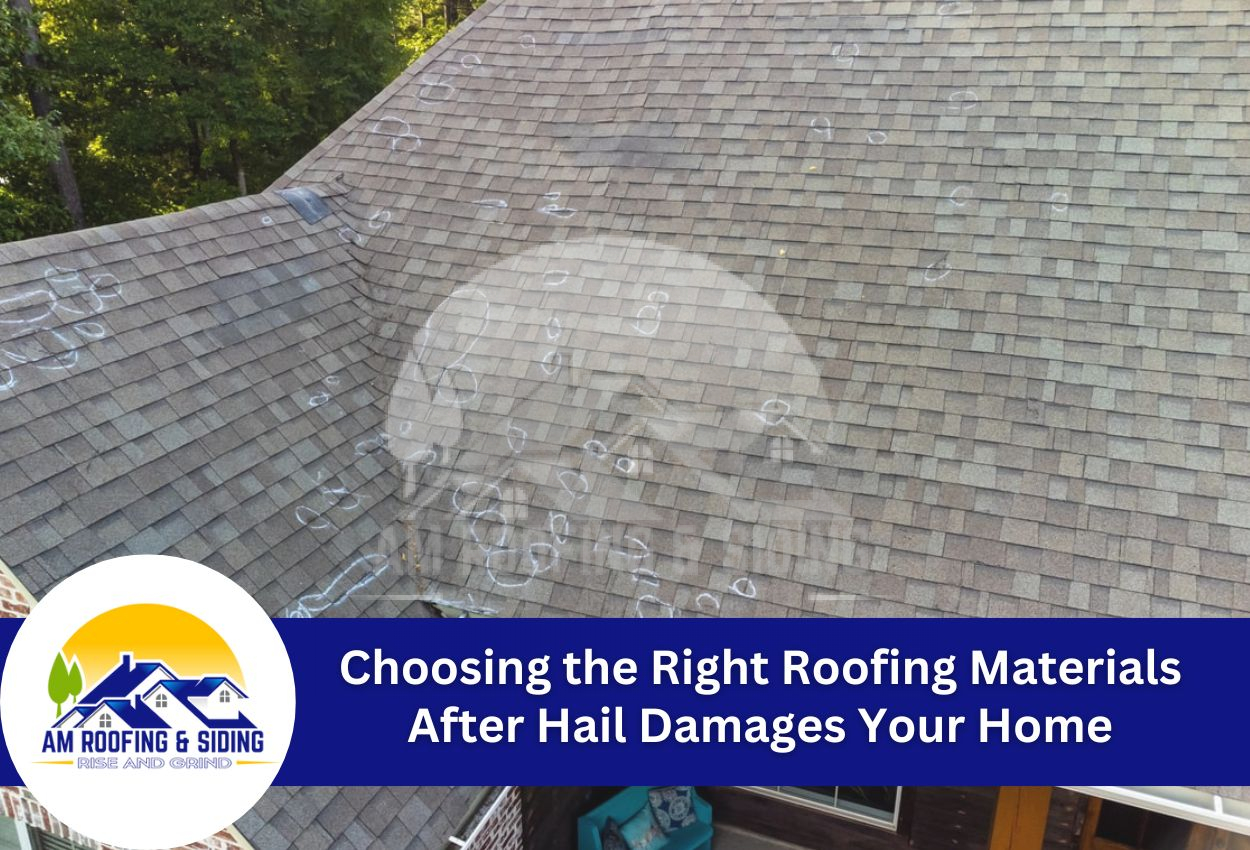
Hailstorms can devastate roofing systems in minutes, leaving homeowners facing critical decisions about repairs and replacements. The materials chosen directly impact how well a home withstands future severe weather. Different roofing materials respond uniquely to hail, with some cracking under pressure while others maintain their integrity.
Understanding impact resistance is essential when selecting the roofing materials for hail damage repair. Impact-resistant shingles and other durable roofing materials for severe weather have specific ratings and certifications that indicate their ability to withstand hail of varying sizes. These ratings help homeowners choose a roofing option that prevents expensive damage.
Several factors influence material performance during hailstorms, including impact ratings, material composition, and installation methods. Storm damage roofing options range from traditional asphalt shingles with enhanced durability to metal roofing systems designed specifically for hail resistance. Each material has advantages depending on your local climate, budget, and aesthetic preferences.
Property owners who invest in hail-resistant roofing materials often experience fewer insurance claims and reduced maintenance costs over time. The initial material selection determines long-term protection and overall roof performance during severe weather.
Impact-Rated Asphalt Shingles for Superior Hail Protection
Class 4 impact-resistant asphalt shingles are the highest level of hail protection available in the asphalt shingle category. These specialized shingles undergo rigorous testing where steel balls are dropped from specific heights to simulate hail impact. The construction features that make these shingles exceptionally durable include reinforced backing materials, modified asphalt formulations, and enhanced granule adhesion systems that resist displacement.
The key difference between standard and impact-resistant shingles is their polymer-modified asphalt composition and reinforcement materials. Standard asphalt shingles typically crack or puncture when struck by hail larger than 1 inch in diameter, while Class 4 impact-resistant versions can withstand strikes from 2-inch hailstones without sustaining damage. This enhanced durability translates to extended warranty coverage for wind and hail damage compared to standard coverage.
Homeowners who choose impact-resistant shingles for their roof repairs or replacement often qualify for insurance premium discounts. These storm damage roofing options provide long-term value through fewer claims and enhanced protection. When selecting the best roofing materials for hail damage repair, Class 4 impact-resistant asphalt shingles offer a balance of performance, affordability, and proven hail-resistant technology that protects homes during future severe weather events.
Metal Roofing Systems That Withstand Severe Hail Storms
Metal roofing systems demonstrate exceptional performance against hail damage through their strength and impact resistance. Steel roofing panels offer outstanding durability with their high tensile strength and ability to distribute impact forces across larger surface areas. The gauge thickness of steel roofs directly correlates with hail resistance, with 26-gauge and 24-gauge panels providing superior protection against larger hailstones compared to thinner alternatives.
Aluminum roofing systems are another common option because of their natural flexibility and corrosion-resistant properties. Unlike brittle materials that crack under impact, aluminum panels absorb and deflect hail strikes while maintaining their waterproof integrity. Copper roofing systems are the premium option among hail-resistant roofing materials, offering centuries of proven durability and a natural patina that enhances weather resistance over time.
The construction methods used in metal roof installation enhance their durability and effectiveness. Standing seam profiles create continuous ridges that help deflect hail impacts away from vulnerable flat surfaces. These durable roofing materials for severe weather require minimal maintenance compared to traditional asphalt shingles, with typical maintenance limited to periodic inspections and debris removal.
Metal roofing systems often feature Class 4 impact ratings and can withstand hailstones up to 2 inches in diameter. The longevity of metal roofing systems, typically lasting 40 to 70 years, makes them a cost-effective solution for roofing projects where long-term protection is the priority.
Synthetic and Composite Materials Engineered for Storm Resistance
Modern synthetic roofing materials represent a technological breakthrough in hail protection, offering engineered solutions that surpass traditional materials in impact resistance. Polymer composite shingles combine multiple synthetic materials to create roofing systems designed to absorb hail strikes without cracking or breaking. These advanced materials undergo extensive laboratory testing to ensure consistent performance under repeated impact scenarios that simulate years of severe weather exposure.
Rubber roofing alternatives, including synthetic rubber shingles and EPDM membrane systems, provide exceptional flexibility that allows them to deflect hail impacts rather than sustain damage. The molecular structure of these synthetic materials enables them to return to their original shape after impact, maintaining both appearance and protective integrity. This resilience makes synthetic options among the most effective storm damage roofing options for areas experiencing frequent hailstorms.
Most high-quality synthetic materials maintain their structural properties and aesthetic appearance even after exposure to hailstones exceeding 2 inches in diameter. These impact-resistant shingles feature UV-stable formulations that prevent degradation from sun exposure while maintaining their hail deflection capabilities throughout their service life. The engineered composition of synthetic materials eliminates common failure points found in other materials, such as brittleness from aging or moisture absorption that weakens impact resistance.
Synthetic and composite materials come with warranties that often exceed traditional materials, reflecting the manufacturer’s confidence in their durability. These hail-resistant roofing materials provide consistent protection across varying temperatures and weather patterns.
Tile and Slate Options for Maximum Hail Durability
Concrete and clay tiles offer exceptional natural hail resistance due to their dense composition and rigid structure that deflects impact forces effectively. These traditional roofing materials demonstrate remarkable durability during storms, with properly manufactured tiles withstanding hail impacts that would damage lesser materials. The thickness and mineral composition of quality tiles create barriers that resist damage from even large hailstones, making them excellent choices among hail-resistant roofing materials.
The installation techniques used impact a tile roof’s performance during hailstorms. Professional installation includes underlayment systems, adequate fastening methods, and correct overlap patterns that prevent water infiltration if individual tiles sustain damage. Quality tiles feature reinforced structures that distribute impact forces across their entire surface area, reducing the likelihood of cracking or breaking during harsh conditions.
Natural slate roofing systems represent the premium standard for hail protection, offering unmatched longevity and weather resistance that can last over a century with proper maintenance. The natural process that creates slate results in a material with exceptional density and impact resistance that surpasses most other roofing options. Welsh and Vermont slate varieties demonstrate particularly impressive performance against hail damage due to their stability and consistent mineral composition.
When selecting the best roofing materials for hail damage repair, slate provides superior protection that justifies its premium price tag. These durable roofing materials for severe weather require specialized installation expertise but deliver decades of reliable performance with minimal maintenance requirements, making slate an investment in long-term property protection.
Installation Techniques That Maximize Hail Resistance Performance
Installation methods are just as critical as material selection when creating effective hail protection systems. The most advanced impact-resistant shingles cannot deliver optimal performance without precise installation that addresses every component of the roofing system. Professional installation practices must integrate underlayment, fastening patterns, ventilation systems, and weatherproofing details to achieve maximum hail resistance capabilities.
Underlayment selection forms the foundation of comprehensive storm protection, working in tandem with surface materials to create multi-layer defense systems. High-performance synthetic underlayments provide superior tear resistance and waterproofing compared to traditional felt options, maintaining integrity even when surface materials sustain hail damage. These advanced underlayment systems often feature self-sealing properties around fasteners and enhanced grip surfaces that prevent slipping during installation.
Fastening techniques directly impact how well hail-resistant roofing materials perform during storms. Proper nail placement, penetration depth, and fastener spacing distribute wind uplift forces evenly across the entire roof system. Professional installers understand that over-driven or under-driven fasteners create weak points that compromise storm resistance, regardless of material quality.
Ventilation system integration affects overall roof performance by managing temperature differentials and moisture levels that can weaken materials over time. Balanced intake and exhaust ventilation prevents ice dams and reduces thermal shock, which makes roofing materials more susceptible to hail damage. These additional installation components ensure that your chosen roofing materials exceed their estimated service life.
Making the Right Investment for Your Hail Damage Repair
Selecting premium hail-resistant materials requires evaluating the long-term financial implications and benefits. The upfront investment in impact-resistant shingles or other durable roofing materials for severe weather typically pays off through reduced insurance claims, lower maintenance costs, and extended material lifespans. Insurance companies increasingly recognize the value of hail-resistant roofing materials by offering premium discounts that can offset initial material cost differences over time.
The benefits of a new, impact-resistant roof go beyond immediate protection to include enhanced resale value and reduced emergency repair expenses. Homes equipped with Class 4 impact-rated materials typically experience fewer weather-related failures, eliminating the disruption and expense associated with repeated storm damage. The frequency of severe weather events continues to increase across many regions, making proactive material selection a strategic investment rather than an optional upgrade.
Working with experienced roofing contractors ensures the material chosen is tailored to your specific property, local climate, and budget. Qualified professionals assess existing structural conditions, evaluate potential vulnerabilities, and recommend the best roofing materials for hail damage repair based on comprehensive site analysis. Professional contractors understand how different materials perform under local weather conditions and can guide homeowners through the decision-making process while explaining warranty coverage, installation requirements, and maintenance expectations for each option.
Protect Your Home with AM Roofing & Siding’s Hail Damage Repair Services
When hail strikes, the right choice in roofing materials can make all the difference. At AM Roofing & Siding, we specialize in providing top-tier hail-resistant roofing materials designed to offer long-lasting protection and durability. Whether you’re considering impact-resistant shingles, metal roofing systems, or other advanced options, our expert team is here to guide you through selecting the best roofing materials for hail damage repair. Don’t let severe weather compromise your home again.
To discuss your roofing needs and explore our durable roofing materials for severe weather, call us today at (740) 974-8268. Secure your home’s future with a roof built to withstand whatever nature throws its way.